
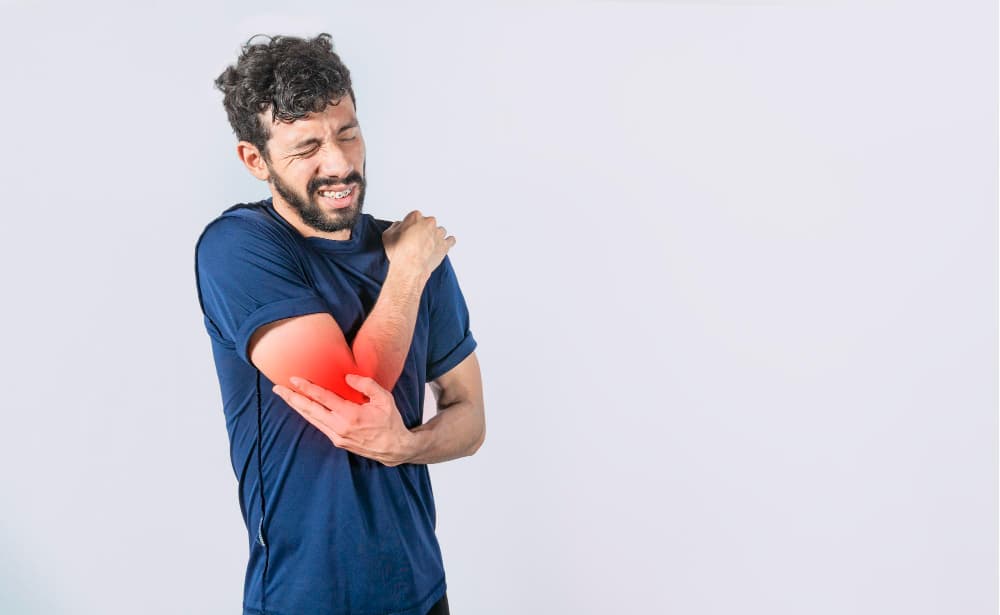
Joint pain is one of the most common health issues affecting Indians today, especially older adults. According to studies published by the Indian Journal of Rheumatology, nearly 22–28% of Indians suffer from joint-related problems, with osteoarthritis being the most common. As life expectancy increases, elderly health care has become a priority for families across India.
Joint pain doesn’t just affect mobility, it impacts independence, sleep quality, mental health, and overall well-being. Simple daily tasks like climbing stairs, cooking, or even walking to the nearby market can become challenging. The good news? Joint pain can often be managed, relieved, and even prevented with the right lifestyle choices, timely treatment, and affordable access to joint pain medicines.
In this guide, we’ll share 10 practical, easy-to-follow ways to protect your joints, reduce pain, and improve quality of life, without burning a hole in your pocket.
Understanding Joint Pain in Elderly Health Care
Joint pain usually occurs due to:
- Wear and tear of cartilage (osteoarthritis)
- Inflammation (rheumatoid arthritis)
- Vitamin D or calcium deficiency
- Sedentary lifestyle
- Obesity or poor posture
In elderly health care, early intervention is crucial to prevent long-term disability and dependency.
10 Ways to Relieve and Prevent Joint Pain
1. Stay Physically Active (Even Gentle Movement Helps)
Regular movement keeps joints flexible and strengthens surrounding muscles. You don’t need intense workouts.
Best low-impact activities:
- Walking for 20–30 minutes daily
- Yoga and pranayama
- Swimming or water aerobics
2. Maintain a Healthy Weight
Extra body weight puts pressure on weight-bearing joints like knees and hips. Research shows that every 1 kg of weight loss reduces knee joint stress by up to 4 kg.
Actionable tip:
- Avoid fried snacks and sugary drinks
- Choose home-cooked meals
- Eat smaller, frequent portions
3. Eat a Joint-Friendly Indian Diet
Food plays a big role in elderly health care.
Include:
- Calcium-rich foods: Milk, curd, paneer
- Vitamin D: Sunlight, fortified foods
- Anti-inflammatory foods: Turmeric (haldi), ginger, garlic
- Omega-3s: Walnuts, flaxseeds, fish
4. Use Joint Pain Medicines Wisely
Medicines help manage pain and inflammation when lifestyle changes aren’t enough.
Common joint pain medicines include:
- Pain relievers (paracetamol)
- Anti-inflammatory medicines
- Calcium and vitamin D supplements
Important: Never self-medicate long-term. Always consult a doctor.
5. Try Physiotherapy and Targeted Exercises
Physiotherapy improves strength, balance, and flexibility.
Benefits include:
- Reduced stiffness
- Better joint movement
- Lower dependency on medicines
Even simple chair exercises can make a big difference.
6. Improve Posture and Ergonomics
Poor posture during sitting, sleeping, or working increases joint stress.
Easy fixes:
- Sit on chairs with back support
- Avoid sitting cross-legged for long hours
- Use a firm mattress
7. Use Heat and Cold Therapy
This is a simple, low-cost solution.
- Heat therapy: Relieves stiffness
- Cold therapy: Reduces swelling and inflammation
Use a hot water bag or cold compress for 15–20 minutes.
8. Support Joints with Aids
Supportive devices can reduce pain during movement.
Examples:
- Knee caps
- Walking sticks
- Orthopedic footwear
These are especially helpful in elderly health care to prevent falls.
9. Manage Chronic Conditions Effectively
Conditions like diabetes, thyroid disorders, and osteoporosis can worsen joint pain.
Best practice:
- Take prescribed medicines regularly
- Monitor blood sugar and bone health
10. Get Regular Health Check-ups
Early diagnosis prevents complications.
Recommended tests:
- Vitamin D levels
- Bone density test
- Arthritis screening
Regular check-ups help doctors adjust joint pain medicines safely.
Common Myths vs Facts About Joint Pain
Myth: Joint pain is a normal part of ageing. Fact: While common, it’s not inevitable and can be managed.
Myth: Exercise worsens joint pain. Fact: Right exercises actually reduce pain.
Myth: Painkillers are the only solution. Fact: Lifestyle changes play an equal role.
Conclusion: Take Charge of Your Joint Health Today
Joint pain doesn’t have to control your life. With the right approach to elderly health care, balanced nutrition, regular movement, and affordable access to joint pain medicines, you can stay active and independent for longer.
AffordPill makes it easier for Indian families to manage chronic conditions by offering genuine medicines at up to 90% savings, delivered to your doorstep.