
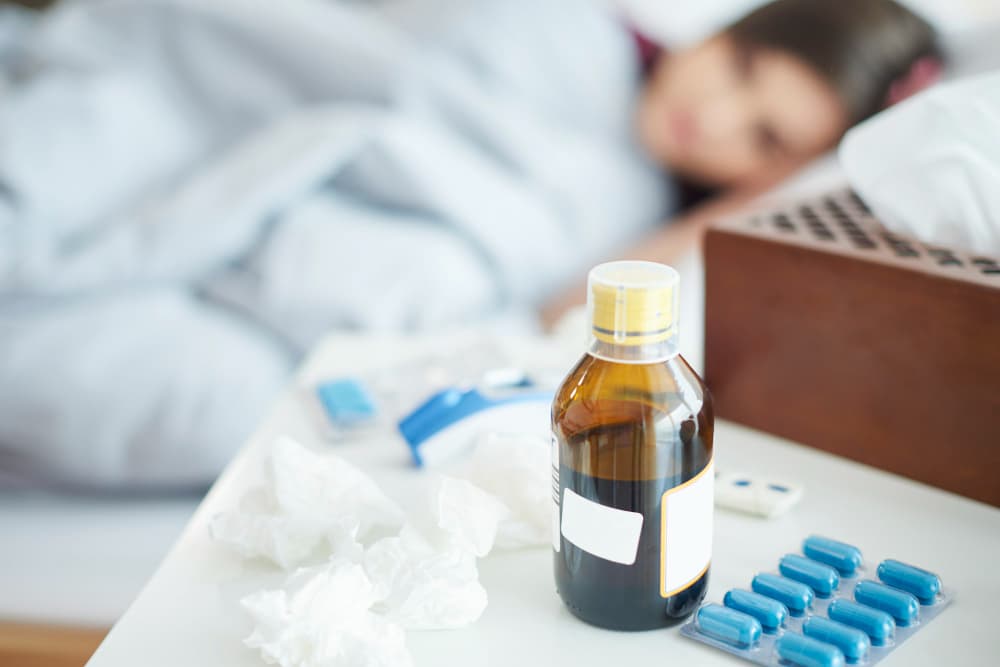
it’s a scorching May afternoon in Delhi, the mercury has crossed 44°C, and your insulin pen has been sitting in the car for two hours. Or maybe your blood pressure tablets have spent the afternoon on a sunny windowsill. By the time you take your next dose, the medication may have already lost a significant portion of its potency, and you would never even know.
India’s summers are getting hotter every year, and so is the risk of heat-damaged medicines. The truth is that most people are meticulous about taking their medicines on time but give little thought to where and how those medicines are stored. This oversight can silently compromise treatment for conditions like diabetes, hypertension, and respiratory illness, precisely when the summer heat makes these conditions harder to manage.
In this guide, we break down exactly how heatwaves affect your medicines, which medications are most vulnerable, and the storage mistakes you must avoid this summer.
Why Summer Heat Is a Silent Threat to Your Medicines
Medicines are chemical compounds, and like most chemicals, they are sensitive to temperature. Most pharmaceutical manufacturers formulate and test drugs to remain stable within a “controlled room temperature” range, typically 15°C to 30°C. When temperatures climb beyond this range as they frequently do across India between April and July, the active ingredients in your medication can degrade, oxidise, or break down.
The consequences range from reduced effectiveness to outright dangerous chemical changes. A degraded diabetes medicine may fail to regulate your blood sugar, putting you at risk of hyperglycaemia. An improperly stored antibiotic may not complete its intended course of action, contributing to antibiotic resistance.
Key heat-related risks include:
· Loss of potency: The drug may no longer deliver the intended therapeutic effect.
· Chemical degradation: Some medicines form harmful by-products when exposed to heat.
· Physical changes: Creams, suppositories, and capsules may melt or stick together.
· Reduced shelf life: Heat accelerates the expiry process well before the printed date.
Medicines Most Vulnerable to Summer Heat
Not all medicines are equally at risk, but several categories used by millions of Indians every day are particularly heat-sensitive:
Diabetes Medicines
Insulin is extremely heat-sensitive. Unopened insulin vials must be refrigerated (2°C–8°C), while opened vials can be kept at room temperature for up to 28 days, but only if room temperature stays below 30°C. Oral diabetes medicines like Metformin can also lose stability when exposed to prolonged heat. If you buy diabetes medicine online, ensure it is delivered in temperature-controlled packaging and transferred to appropriate storage immediately.
Heart and Blood Pressure Medications
Medicine for heart disease, including nitrates, beta-blockers, and calcium channel blockers, must be stored away from heat and humidity. Nitroglycerin tablets are famously sensitive — even short exposure to elevated temperatures can render them ineffective in an emergency. If you rely on cardiac medications, summer storage is a matter of life safety.
Vitamins and Supplements
Vitamins like B-complex and Vitamin C are particularly prone to oxidation in heat. If you buy vitamins and supplements online, choose airtight, dark-coloured containers and store them in a cool, dry place. Fish oil capsules and probiotics are especially vulnerable — heat destroys live cultures in probiotics and causes fish oil to turn rancid.
Cough, Cold and Respiratory Medicines
Syrups and liquid medicines for cough and cold are susceptible to heat-driven microbial growth once opened. Inhalers and nebulizer solutions can also be affected — the propellant in inhalers may lose pressure when stored in hot conditions, reducing the effective dose delivered.
7 Common Medicine Storage Mistakes to Avoid This Summer
1. Storing Medicines in the Bathroom Cabinet
Bathrooms are among the worst places to store medicines. Steam from showers and baths creates humidity that accelerates drug degradation, and temperatures fluctuate significantly. Move your medicine cabinet to a bedroom drawer or a cool, dry shelf away from direct sunlight.
2. Leaving Medicines in the Car
Car interiors can exceed 70°C in Indian summer sun — a temperature that would destroy most medications within hours. Never leave any medicine in your car, even for short periods.
3. Keeping Medicines Near Windows or Kitchen Counters
Windowsills and kitchen counters are exposed to sunlight and cooking heat. Even if the room feels air-conditioned, localised heat near these spots can compromise your medications. Always store medicines in opaque containers away from light.
4. Not Using the Refrigerator Correctly for Insulin
Many patients refrigerate insulin but place it near the freezer coils, causing it to freeze — which is equally damaging. Store insulin in the middle section of the refrigerator, away from the freezer wall. Frozen insulin must be discarded.
5. Using a Medicine Past Heat Damage Without Checking
Heat-damaged medicine does not always look, smell, or taste different. If it has been exposed to excessive heat, consult your pharmacist and replace it. Do not assume a medicine is safe because it looks fine.
6. Ignoring Packaging Instructions
Labels that read “Store below 25°C” or “Protect from light and moisture” are clinical requirements, not suggestions. Make it a habit to read storage instructions when you buy medicines online or pick them up from a pharmacy.
7. Travelling Without a Cooler for Temperature-Sensitive Drugs
If you are travelling during summer, invest in an insulated medicine pouch or a small travel cooler for insulin and other refrigerated medicines. Gel ice packs (not direct ice) can maintain safe temperatures without freezing.
Smart Summer Storage: What You Should Do
Following these best practices can protect your medicines all summer long:
· Keep most medicines in a cool, dry place below 25°C, such as a bedroom drawer away from sunlight.
· Use airtight containers with silica gel packets to minimise moisture.
· Refrigerate insulin and cold-storage medications on the centre shelf, not the door or freezer section.
· Invest in a portable insulated medicine pouch for travel or daily commutes.
· Check medicines periodically for discolouration, unusual texture, or smell.
· Buy affordable medicines online from trusted platforms like AffordPill that use temperature-controlled logistics.
· If you suspect heat damage, replace the medicine. The cost of replacement is far lower than the risk of ineffective treatment.
Order the Right Medicines, Stored the Right Way
At AffordPill, one of India’s leading online pharmacies, we understand that medicine efficacy begins long before you take your first dose. Whether you need to buy affordable medicines online, order diabetes medicines, buy vitamins and supplements, pain relief medication, or healthcare devices like blood glucose monitors and BP machines, AffordPill offers genuine products at up to 90% off, with free delivery above ₹399 across India.
Don’t let the summer heat compromise your health. Visit AffordPill today to shop for all your medicine and healthcare device needs, and store your medicines correctly for a safe, healthy summer.
Frequently Asked Questions (FAQs)
Q1. How can I tell if my medicine has been damaged by heat?
Heat damage is not always visible. Warning signs include discolouration, unusual smell, clumping of tablets or capsules, changes in liquid consistency, and insulin that appears cloudy or contains particles. If in doubt, consult your pharmacist and replace the medicine.
Q2. Can I store insulin at room temperature during summer in India?
Once opened, most insulin can be kept at room temperature for up to 28 days — but only if the temperature stays consistently below 30°C. In Indian summers, where indoor temperatures can regularly exceed this, it is safer to refrigerate opened insulin and allow it to reach room temperature for 30 minutes before injecting.
Q3. Is it safe to buy diabetes medicine online during summer?
Yes, provided you order from a reputable online pharmacy like AffordPill that uses proper packaging and delivery standards. Once received, immediately transfer temperature-sensitive medicines to appropriate storage conditions at home.
Q4. Does heat affect all medicines equally?
No. Some medicines like paracetamol in tablet form are relatively stable at moderate heat, while insulin, certain eye drops, suppositories, and probiotics are extremely sensitive. Always check the storage instructions on the label.
Q5. What should I do with medicines exposed to high heat?
Do not use medicines that have been exposed to temperatures significantly above their recommended storage range. Consult your pharmacist — they can advise whether the medicine is still safe and help you replace it. Ask your pharmacist about safe disposal rather than flushing medicines down the drain.
Q6. Are generic medicines more susceptible to heat damage than branded ones?
No. Generic medicines contain the same active ingredients as branded medicines and must meet the same quality and stability standards under Indian pharmaceutical regulations. At AffordPill, you can buy high-quality generic medicines online at a fraction of the cost of branded equivalents.
Q7. Can I use the freezer section to store medicines in summer?
Never store medicines in the freezer unless the label specifically instructs freezing. Freezing can destroy the active compounds in most medicines, including insulin. Use the main refrigerator compartment for medicines that require cold storage.