
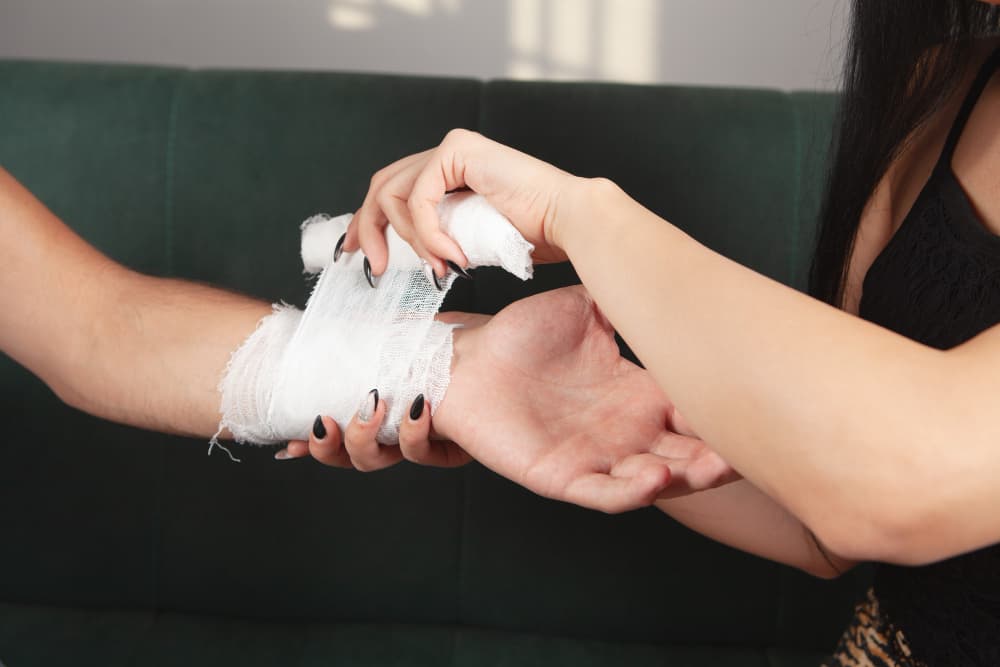
Small cuts and scrapes are a part of everyday life in India, whether it’s a kitchen knife nick, a child falling while playing, or a minor injury during travel. While these wounds may seem harmless, improper care can lead to infections, delayed healing, and unnecessary medical expenses.
This is where Betadine antiseptic solution plays an important role. Widely trusted by Indian households and recommended by doctors, Betadine helps prevent infection by killing germs at the wound site. Knowing how to use Betadine for cuts properly can make a big difference in healing time and safety.
According to the World Health Organization (WHO), proper wound cleaning and antiseptic use can reduce infection risk by over 60% in minor injuries. For value-conscious Indian consumers, using the right antiseptic at the right time also helps avoid costly doctor visits.
In this guide, we’ll break down the dos and don’ts of using Betadine, bust common myths, and share practical tips you can easily follow at home, without confusing medical jargon. What Is Betadine and How Does It Work? Betadine contains povidone-iodine, a broad-spectrum antiseptic that kills bacteria, viruses, fungi, and some parasites.
How it helps:
- Releases iodine slowly for sustained protection
- Prevents infection in minor cuts, scrapes, and burns
- Easy to apply and affordable
In India, Betadine is commonly found in homes, clinics, and chemist shops as a go-to first aid antiseptic. When Should You Use Betadine?
Betadine is suitable for minor, superficial wounds, such as:
- Small cuts and knife injuries
- Scrapes and abrasions
- Minor burns
- Insect bites (if skin is broken)
How to Use Betadine for Cuts and Scrapes (Step-by-Step)
Follow these simple steps for safe and effective wound care:
Step 1: Clean the wound
- Rinse the cut with clean water to remove dirt and debris
- Avoid harsh soaps directly on the wound
Step 2: Apply Betadine
- Use a clean cotton swab or gauze
- Apply a thin layer of Betadine antiseptic solution to the wound
Step 3: Let it dry
- Allow it to dry naturally for a few seconds
Step 4: Cover if needed
- Cover with a sterile bandage if the area is prone to friction or dirt
Do’s of Using Betadine
- Use for minor cuts and scrapes only
- Apply a thin layer; more is not better
- Washyour hands before and after application
- Store in a cool, dry place
- Check the expiry date before use
Don’ts of Using Betadine
- Don’t use on deep or heavily bleeding wounds
- Don’t apply repeatedly for long periods without advice
- Don’t mix with other antiseptics or creams
- Don’t use it if you have an iodine allergy
- Don’t apply to large skin areas in children
Common Myths vs Facts
Myth: Betadine speeds up healing instantly
Fact: It prevents infection; healing depends on overall care
Myth: More Betadine means better protection
Fact: Excess use may irritate skin
Myth: It can replace a doctor’s visit Fact: Only for minor wounds, not serious injuries
Expert Tips for Faster Wound Healing
- Keep the wound clean and dry
- Change dressings daily
- Eat protein-rich foods (dal, eggs, curd) to support healing
- Stay hydrated
- Avoid touching or scratching the wound
Conclusion: Safe Wound Care Starts at Home
Knowing how to use Betadine for cuts correctly can help prevent infections, reduce healing time, and save unnecessary healthcare costs. For Indian families looking for reliable and affordable first aid solutions, Betadine remains a trusted choice when used responsibly