
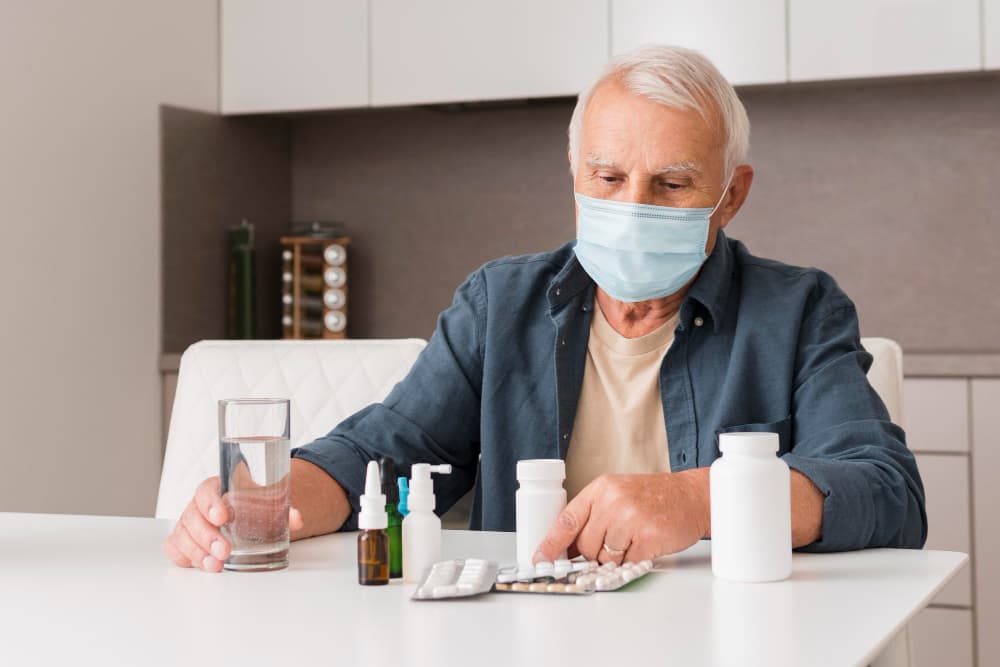
As people age, managing chronic conditions often means taking multiple medications at once. While each medicine serves a purpose, combining five or more drugs — a condition known as polypharmacy — can create a web of risks that are frequently overlooked. For elderly patients and their caregivers, understanding polypharmacy risks is a critical step toward safer, more effective health management.
What Is Polypharmacy and Why Is It Common in Older Adults? Polypharmacy refers to the simultaneous use of multiple medications by a single patient. While there is no universal agreement on the exact number, most healthcare professionals define it as taking five or more drugs concurrently. In elderly patients, this is extremely common — studies suggest that nearly 40% of people aged 65 and above take five or more prescription medications daily.
Older adults are more susceptible to multiple chronic illnesses such as hypertension, type 2 diabetes, arthritis, heart disease, osteoporosis, and depression — often all at once. Each condition typically requires its own treatment protocol, which results in a growing list of daily medicines. Add over-the-counter drugs, vitamins, and supplements to the mix, and the complexity multiplies quickly.
Key Risks Associated with Polypharmacy in the Elderly
Managing multiple medications is not just inconvenient — it carries real health dangers. Here are the most important risks every caregiver and patient should know:
1. Adverse Drug Reactions (ADRs)
When multiple drugs interact, the results can be unpredictable and harmful. Adverse drug reactions are among the leading causes of hospitalisation in elderly patients. Symptoms may include dizziness, confusion, internal bleeding, abnormal heart rhythms, or kidney damage. Because older adults metabolise drugs more slowly, even standard doses can accumulate to toxic levels.
2. Drug-Drug Interactions
Some medications directly interfere with how other drugs work. For example, blood thinners combined with certain pain relievers can raise the risk of internal bleeding. Antidepressants taken alongside certain migraine medicines can trigger a dangerous condition called serotonin syndrome. These interactions are difficult to predict without a thorough medication review by a qualified healthcare professional.
3. Falls and Fractures
Sedatives, blood pressure medicines, and certain antidepressants can cause dizziness, drowsiness, or balance issues — all of which significantly increase the risk of falls in elderly patients. Falls are the leading cause of injury-related deaths in people over 65, making this one of the most serious consequences of unmanaged polypharmacy.
4. Cognitive Decline and Confusion
Several drug classes — including antihistamines, sleep aids, and bladder medications — have anticholinergic properties that impair memory and cognition. In older adults, these effects are amplified. Long-term use of such medications is linked to an increased risk of dementia and delirium, conditions that drastically reduce quality of life.
5. Non-Adherence and Medication Errors
The more medications a person takes, the harder it is to follow the schedule correctly. Missed doses, double dosing, and taking medicines at the wrong time are all common when managing complex drug regimens. Medication errors in elderly patients can lead to poorly controlled illnesses, preventable hospitalisations, and even life-threatening complications.
How to Reduce Polypharmacy Risks: Practical Tips for Caregivers
Reducing the risks of multiple medication use requires a team effort between the patient, caregivers, and healthcare providers. Some practical strategies include:
- Conduct a Medication Review: Ask the doctor or pharmacist for a complete review of all medications at least once a year — or whenever a new drug is added.
- Maintain a Single Medication List: Keep an updated, comprehensive list of all medicines, including dosages, times, and prescribing doctors. Share this at every medical appointment.
- Ask About Deprescribing: Deprescribing is the intentional and supervised process of tapering or stopping medications that may no longer be necessary or beneficial.
- Use a Pill Organiser or App: Tools like weekly pill boxes or medication reminder apps can significantly reduce missed or double doses.
- Avoid Self-Medication: Never add over-the-counter drugs, herbal supplements, or vitamins without first consulting a doctor. Even natural products can interact dangerously with prescription medications.
- Monitor for Side Effects: Track any new or worsening symptoms and report them promptly. Early intervention can prevent a minor reaction from becoming a medical emergency.
Medicines Available at AffordPill Relevant to Elderly Care
At AffordPill, we understand that affordable access to genuine medicines is essential for elderly patients managing multiple health conditions. Our platform offers a wide range of products across relevant categories:
- Diabetes Care: Products like Progrow Diabetes Care Nutritional Supplement and the Dr. Morepen GlucoOne Blood Glucose Monitoring System help elderly diabetic patients monitor and support their condition affordably.
- Vitamins and Supplements: NB Rich Multivitamin and Multimineral Soft Gelatin Capsules, Omega-3 Fish Oil Capsules, and Zinconir Syrup (Antioxidant + Multivitamin + Zinc) support overall health and fill nutritional gaps common in older adults.
- Elderly Care: Our dedicated Elderly Care category (available at up to 50% off) features products specifically suited for seniors, supporting mobility, immunity, and daily wellness.
- Ayurvedic Medicines: Options like Jamun Neem Karela Juice and Livnir DS Liver Syrup provide natural, supportive therapies that may complement conventional treatment plans with fewer side-effect concerns.
- Healthcare Devices: Monitoring devices such as glucometers help elderly patients and caregivers track health metrics at home, reducing unnecessary clinic visits.
- Prescription Antibiotics: When infections occur, AffordPill provides access to commonly prescribed antibiotics including Amoxicillin, Azithromycin, and Ciprofloxacin — with prescription verification for safety.
When Should You See a Doctor About Polypharmacy? If an elderly patient is experiencing unexplained symptoms such as sudden confusion, increased fatigue, frequent falls, changes in appetite, or signs of organ distress, a thorough medication review should be the first step. These symptoms are often mistakenly attributed to normal ageing when they may actually be medication-related and entirely reversible.
A geriatrician, clinical pharmacist, or general physician with experience in elderly care can assess the full medication profile and recommend safer alternatives or dosage adjustments.
Final Thoughts: Safe Medication Management Starts with Awareness
Polypharmacy is a growing concern in elderly healthcare, but it is manageable with the right support, regular communication with healthcare providers, and access to affordable, genuine medicines. Awareness is the most powerful tool available to patients and caregivers.
At AffordPill, we are committed to making healthcare accessible and affordable for every Indian family — especially seniors who deserve safe, quality care without compromise. Explore our Elderly Care, Vitamins and Supplements, and Diabetes Care categories to find the products your loved ones need, delivered right to your doorstep.