
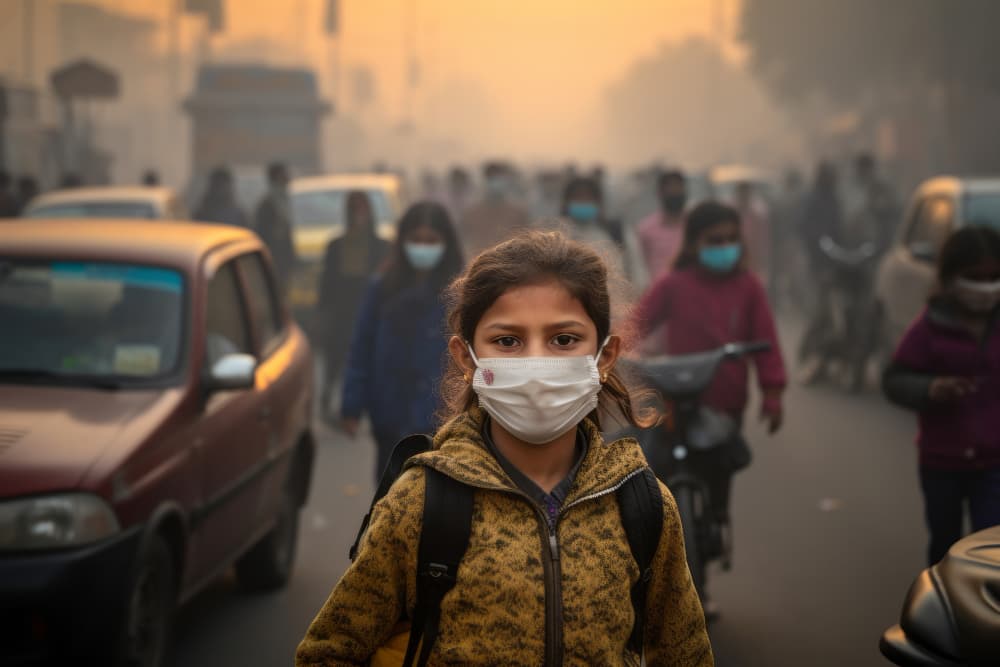
India has been on high alert as concerns about a Nipah virus outbreak in 2026 continue to grow. This deadly zoonotic disease — caused by the Nipah virus (NiV) — has claimed lives in past outbreaks across Kerala and has now resurfaced as a major public health concern. If you are searching for information about Nipah virus symptoms, Nipah virus treatment, Nipah virus prevention, or what to do if someone is infected, this comprehensive guide covers everything you need to know.
What Is Nipah Virus? Understanding the Basics
Nipah virus (NiV) is a highly dangerous zoonotic virus — meaning it spreads from animals to humans. It belongs to the Paramyxoviridae family and was first identified during an outbreak in Malaysia in 1999. Fruit bats of the Pteropus genus, commonly called flying foxes, are the natural hosts of this virus. However, it can also spread through infected pigs, contaminated fruits, and, most alarmingly, direct human-to-human contact.
The Nipah virus mortality rate is extremely high — ranging from 40% to 75% depending on the outbreak — making it far more deadly than COVID-19. The World Health Organization (WHO) has listed Nipah virus as a priority pathogen that requires urgent research and preparedness.
Nipah Virus Symptoms: How to Identify the Infection Early
Recognizing Nipah virus symptoms early is critical for survival and preventing further spread. The incubation period is typically 4 to 14 days after exposure. Common Nipah virus symptoms in humans include:
High fever (often the first and most common sign), severe headache, dizziness and disorientation, nausea and vomiting, sore throat, and muscle pain. In severe cases, patients may experience encephalitis (brain inflammation), seizures, altered consciousness, difficulty breathing, and even coma. These neurological symptoms are what make Nipah virus so particularly dangerous and distinguish it from common viral fevers.
How Does Nipah Virus Spread? Know the Risk Factors
Understanding how Nipah virus spreads is key to protecting yourself and your family. The primary routes of Nipah virus transmission include direct contact with infected bats or their droppings, consuming raw date palm sap or fruits contaminated by infected bats, close contact with an infected person's body fluids such as saliva, urine, or blood, and caring for Nipah virus patients without proper protective equipment.
India — particularly Kerala — has experienced multiple Nipah virus outbreaks due to the dense population of fruit bats in forested areas. Healthcare workers and family members of infected patients are at especially high risk due to human-to-human transmission.
Nipah Virus Diagnosis: How Is It Detected? Nipah virus diagnosis requires specialized laboratory testing and cannot be identified through standard blood tests alone. Doctors use RT-PCR (Reverse Transcription Polymerase Chain Reaction) tests to detect the virus in blood, urine, cerebrospinal fluid, or throat swabs. Serological tests to detect antibodies such as ELISA may also be used. Given the similarity of early Nipah symptoms with other viral infections like dengue, malaria, or Japanese encephalitis, timely and accurate diagnosis is critical for proper management.
Nipah Virus Treatment in 2026: Is There a Cure? As of 2026, there is no fully approved antiviral drug or vaccine specifically for Nipah virus. Treatment is largely supportive — focusing on managing symptoms, maintaining hydration, controlling fever, and supporting vital organ function. The antiviral drug Ribavirin has shown some promise in trials, and monoclonal antibody therapies are currently under clinical investigation by global health agencies including WHO and ICMR (Indian Council of Medical Research).
While a dedicated Nipah cure is not yet available, supportive care medicines remain essential in managing symptoms and strengthening the body's ability to fight infection. This is where maintaining a well-stocked home health kit matters.
Essential Medicines & Supplements for Immune Support — Available at AffordPill
While Nipah virus treatment requires hospitalization and medical supervision, strengthening your immune system is the best preventive strategy. AffordPill — India's trusted affordable online pharmacy — offers a range of health products that can support your overall immunity and wellbeing during viral outbreaks:
Vitamins & Immunity Boosters: AffordPill stocks a wide range of Vitamins & Supplements including Vitamin C, Vitamin D3, Zinc, and antioxidant-rich formulations. Products like Zinconir Syp (Antioxidant + Multivitamin + Multimineral + Zinc) can help support your immune response during viral season. Zinc has been scientifically linked to immune function and may help reduce the severity of viral infections.
Omega-3 Fatty Acids: AffordPill's Omega-3 Daily Strength Fish Oil Capsules (EPA 180mg + DHA 120mg) support inflammation reduction and overall immune health — critical during any viral outbreak.
Ayurvedic Immunity Support: The Jamun Neem Karela Juice (available on AffordPill) combines powerful Ayurvedic herbs known in traditional Indian medicine for their immune-modulating and detoxifying properties. Regular consumption of Neem and Karela-based formulations is linked to better immune resilience.
Liver & Detox Support: Livnir DS Syrup, an Ayurvedic liver syrup available at AffordPill, helps support liver health — important because viral encephalitis and high fever can stress hepatic function.
Nipah Virus Prevention: How to Protect Yourself and Your Family
Prevention is the most powerful tool against Nipah virus. Here are the top Nipah virus prevention tips that every Indian must follow in 2026:
Avoid consuming raw date palm sap (neera/toddy) or fruits that may have been partially eaten by bats. Do not touch dead animals, especially bats or pigs, without protective gloves. Wash hands regularly with soap and water for at least 20 seconds. Avoid close contact with individuals suspected of Nipah infection. Use PPE (mask, gloves, gown) when caring for a sick patient. If you live in Kerala or any high-alert area, follow local health authority advisories. Seek immediate medical attention if you experience high fever, severe headache, or disorientation after potential exposure.
Nipah Virus in India 2026: Which States Are at High Risk? Kerala has historically been the epicentre of Nipah virus outbreaks in India, with reported cases in Kozhikode and Ernakulam. However, with growing inter-state travel, public health experts warn that containment is crucial. States like Karnataka, Tamil Nadu, and Maharashtra are also on alert due to their proximity to affected zones and similar ecological conditions that support fruit bat populations.
The Indian government and ICMR are conducting active surveillance, contact tracing, and have activated emergency response protocols. Residents in high-risk areas are urged to stay updated via official channels such as the Ministry of Health and Family Welfare (MoHFW) and the Kerala Health Department.
Stay Informed, Stay Prepared
The Nipah virus outbreak in 2026 is a serious public health concern that demands awareness, early action, and preventive measures. While there is no approved Nipah vaccine yet, following hygiene protocols, boosting immunity, and seeking medical care at the first sign of symptoms can make a life-saving difference.
AffordPill is committed to ensuring that every Indian has access to affordable, genuine medicines and health supplements. Whether you need immunity boosters, vitamins, or Ayurvedic health products, AffordPill delivers trusted healthcare right to your door.