
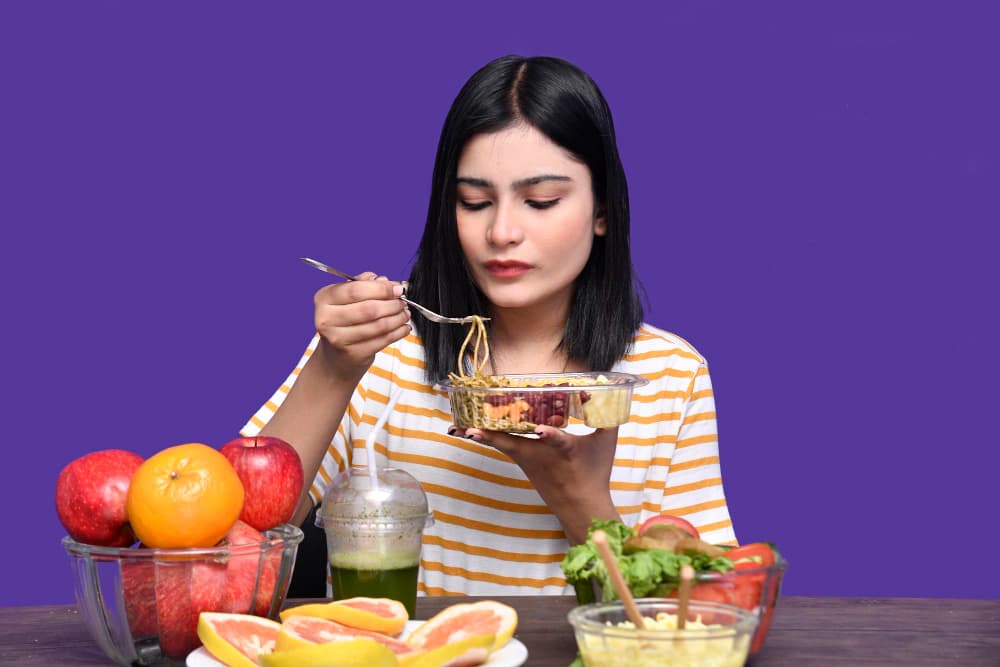
India is a land of diverse cuisines, rich flavours, and centuries-old food traditions. Yet, despite this culinary abundance, a growing number of Indians are silently suffering from vitamin and mineral deficiencies. Whether you follow a vegetarian diet, consume mainly refined grains, or live a fast-paced urban lifestyle, nutritional gaps are more common than you might think. Understanding which vitamins are missing from the average Indian diet, and how to address them — is the first step toward better health.
Why Are Nutritional Deficiencies So Common in India? Despite economic growth and improved food availability, India continues to report high rates of micronutrient deficiency — often called "hidden hunger." Several factors contribute to this problem. Vegetarian and vegan diets, followed by a majority of the Indian population, can fall short of certain key nutrients like Vitamin B12, Vitamin D, and iron. Over-reliance on polished white rice and refined flour strips food of its natural vitamins. Poor absorption due to gut health issues, frequent infections, and low dietary fat intake also impairs the body's ability to absorb fat-soluble vitamins. Additionally, modern lifestyles marked by reduced sun exposure, processed food consumption, and chronic stress further widen these nutritional gaps.
Top Vitamin and Nutrient Deficiencies in the Indian Population
1. Vitamin D Deficiency
It is a major irony that one of the sunniest countries in the world has one of the highest rates of Vitamin D deficiency. Studies suggest that over 70-80% of urban Indians are Vitamin D deficient. The reason? Most people spend the majority of their time indoors. Vitamin D is critical for bone health, immune function, mood regulation, and calcium absorption. A deficiency can lead to bone pain, fatigue, frequent illness, and even depression. Vegetarians and vegans are particularly at risk since Vitamin D3 is primarily found in animal-based foods like fatty fish and egg yolks.
2. Vitamin B12 Deficiency
Vitamin B12 is found almost exclusively in animal products — meat, fish, eggs, and dairy. Since a large portion of India's population follows a vegetarian or vegan diet, B12 deficiency is rampant. This vitamin is essential for nerve function, DNA synthesis, and the formation of red blood cells. A severe deficiency can cause anemia, memory loss, numbness, fatigue, and even irreversible neurological damage. Even lacto-vegetarians who consume dairy may not get adequate B12, as modern dairy products contain lower levels than traditionally fermented ones.
3. Iron Deficiency
India has one of the highest burdens of iron deficiency anemia in the world, affecting women and children disproportionately. Iron is required for carrying oxygen in the blood and supporting energy metabolism. Plant-based (non-heme) iron found in lentils, spinach, and legumes is harder for the body to absorb compared to heme iron from meat. A diet high in phytates (found in wheat and rice) can further inhibit iron absorption. Symptoms include constant tiredness, pale skin, breathlessness, and poor concentration.
4. Calcium and Vitamin K2
While Indians do consume dairy, calcium deficiency remains a significant concern, especially among women and the elderly. Calcium is essential for strong bones and teeth, muscle contraction, and nerve transmission. Vitamin K2, which directs calcium to bones and prevents arterial calcification, is rarely discussed but equally important. Together, Vitamin D3 and K2 work synergistically to ensure calcium is properly utilized by the body. A deficiency in any of these can increase the risk of osteoporosis and cardiovascular disease.
5. Omega-3 Fatty Acids
Omega-3 fatty acids, particularly EPA and DHA, are essential for brain health, heart function, and reducing inflammation. Most Indians consume high quantities of omega-6 fats from refined vegetable oils but very little omega-3. Fish is the richest source of EPA and DHA, but non-fish eaters rarely meet their daily requirements. This imbalance is linked to increased risk of depression, cardiovascular disease, and inflammatory conditions.
6. Zinc and Multivitamin Deficiencies
Zinc plays a vital role in immune function, wound healing, and hormonal balance. Diets heavy in cereals and legumes contain phytic acid, which blocks zinc absorption. Children and women of reproductive age are especially vulnerable. General multivitamin deficiencies — including Vitamins A, C, E, and B-complex — are also widespread, contributing to weakened immunity, poor skin health, and low energy levels.
How to Address Nutritional Gaps in Your Diet
Here are practical steps to improve your nutritional intake:
- Diversify your diet: Include a wide variety of fruits, vegetables, nuts, seeds, legumes, and dairy or fortified alternatives.
- Get more sunlight: Aim for 15-30 minutes of midday sun exposure daily to boost Vitamin D levels naturally.
- Improve iron absorption: Consume iron-rich foods alongside Vitamin C sources like lemon or amla to enhance non-heme iron absorption.
- Include fermented foods: Fermented products like yogurt, idli, and dosa improve gut health and nutrient bioavailability.
- Consider supplementation: When diet alone is insufficient, targeted vitamin supplements can be a safe and effective solution.
Fill Your Nutritional Gaps with AffordPill
At AffordPill — one of India's most trusted and affordable online pharmacies — you can find a wide range of genuine vitamins and nutritional supplements to help bridge the dietary gaps that modern Indian lifestyles create. Here are some key products available on AffordPill that directly address the deficiencies discussed above:
- Omega-3 Daily Strength Fish Oil Capsules — Each capsule delivers 1000 mg fish oil with EPA 180 mg and DHA 120 mg, ideal for supporting heart, brain, and joint health. Perfect for individuals with low omega-3 intake.
- Zinconir Syrup — A comprehensive antioxidant + multivitamin + multimineral + zinc formulation suitable for adults and children who need a broad-spectrum nutritional boost to address multiple deficiencies at once.
- Progrow Mom (Chocolate Flavour) — A specialized nutritional supplement designed for mothers, providing essential vitamins, minerals, and macronutrients to support maternal health during and after pregnancy.
- Progrow Kid (Chocolate Flavour) — A children-focused nutritional supplement that supports healthy growth, bone development, and immunity in growing kids who may be picky eaters or have restricted diets.
- Glutia Forte (L-Glutamine 500 mg) — Supports gut health and immune function, helping to improve nutrient absorption — especially beneficial for those who suffer from poor vitamin assimilation due to gut issues.
Conclusion: Don't Ignore the Silent Deficiency Crisis
Nutritional gaps in the Indian diet are a real and growing public health concern. From Vitamin D and B12 to iron, calcium, omega-3, and zinc, millions of Indians are not getting the micronutrients their bodies need to function optimally. The good news is that with a combination of dietary improvements and targeted supplementation, these gaps can be addressed effectively. Don't wait for symptoms to become serious — take a proactive approach to your nutrition today.