
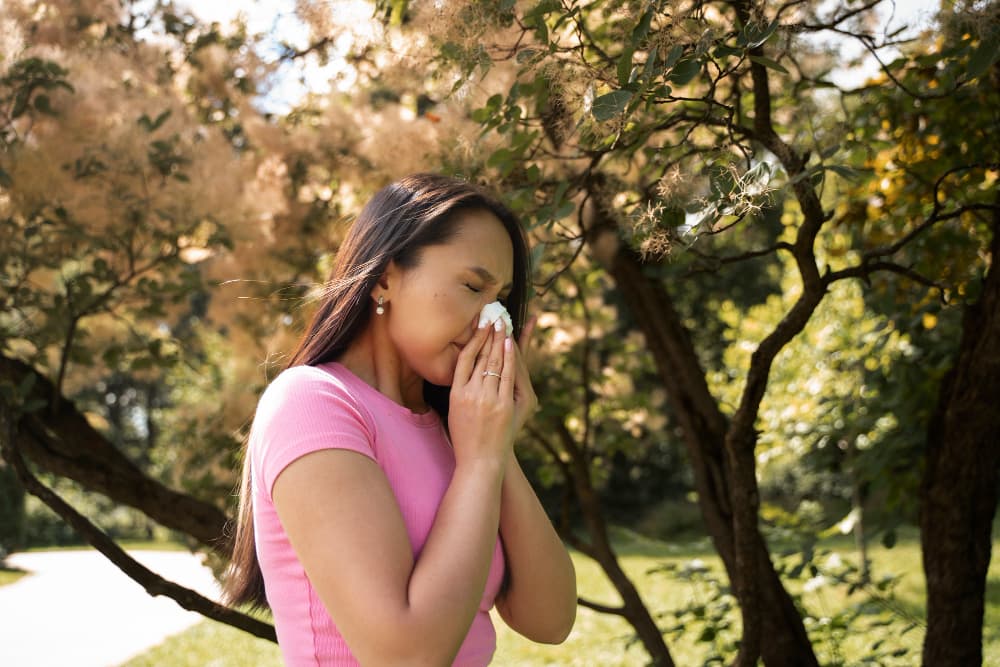
Every year, as temperatures soar and the monsoon rolls in, millions of Indians reach for their handkerchiefs. The relentless sneezing, the streaming eyes, the itchy throat, for allergy sufferers, summer and monsoon are anything but refreshing seasons. But here is what most people do not know: these symptoms are not just "weather colds." They are classic signs of seasonal allergic rhinitis, a condition affecting an estimated 20-30% of India's population, and the numbers are rising.
The good news? With the right knowledge and affordable allergy medicines available at your fingertips, you can manage seasonal allergies effectively and reclaim your comfort — without spending a fortune. This guide explains exactly why allergy symptoms spike in summer and monsoon, and what you can do about it.
What Are Seasonal Allergies?
Seasonal allergies — also known as hay fever or allergic rhinitis, occur when your immune system overreacts to outdoor allergens like pollen, mold spores, and dust. When you inhale these particles, your body releases histamines, triggering an inflammatory response that causes:
· Sneezing and runny nose
· Itchy, watery, or red eyes (allergic conjunctivitis)
· Nasal congestion and postnasal drip
· Scratchy throat and persistent coughing
· Fatigue and difficulty concentrating
Unlike a common cold, allergy symptoms can persist for weeks or even months — for as long as the triggering allergen remains in the air. In India, this means summer and monsoon season can be particularly brutal for allergy sufferers.
Why Summer Is a High-Allergy Season in India
India's summer months (March through June) are prime time for airborne allergens. Here is why allergy symptoms escalate so dramatically during this period:
1. Peak Pollen Season
Trees such as neem, mulberry, and Parthenium (congress grass) release enormous quantities of pollen during late winter and spring. By summer, grasses take over as major pollinating plants. In cities like Delhi, Bengaluru, and Hyderabad, pollen counts during these months can be extraordinarily high. Even a short commute through a tree-lined street can expose you to thousands of pollen grains — enough to trigger a full-blown allergy attack.
2. Dust and Dry Winds
Summer in North India is synonymous with hot, dry winds and dust storms. These winds stir up fine particulate matter, allergens, and pollutants, making outdoor exposure particularly problematic. The dry air also irritates nasal passages, making them more vulnerable to allergens. For those with pre-existing respiratory conditions — including heart disease patients who require cardiac care medicines — this environmental stress can worsen symptoms considerably.
3. Rising Mold Spores
As temperatures rise and occasional pre-monsoon showers dampen the ground, outdoor mold begins to grow in shaded, damp areas. These mold spores are potent allergens, particularly for people with asthma and respiratory sensitivities.
Why Monsoon Makes Allergies Worse, Not Better
Many people expect the rain to wash away their allergy woes. Unfortunately, for many allergy sufferers in India, the monsoon season (July to September) brings an entirely different set of challenges.
1. Mold and Fungal Explosion
The monsoon's warm, humid conditions create a paradise for mold and fungi. Mold grows on walls, bathrooms, AC units, books, clothes stored in damp wardrobes, and even on food. In densely populated cities like Mumbai and Kolkata, indoor mold exposure is one of the leading triggers of allergic rhinitis and asthma during the monsoon months. Baby and mom care products kept in damp environments can also harbour mold — keep all healthcare products in dry, sealed storage.
2. Dust Mite Proliferation
Dust mites are microscopic creatures that thrive in humid conditions. They colonize mattresses, pillows, carpets, and upholstery. The monsoon's humidity causes their populations to explode, and it is the proteins in their droppings — not the mites themselves — that trigger severe allergic reactions including chronic sneezing, nasal congestion, and eye irritation.
3. Indoor Air Quality Deteriorates
During heavy rains, people keep windows and doors shut, trapping indoor allergens, pollution, and moisture inside. Inadequate ventilation worsens indoor air quality significantly, and since most Indians spend 80-90% of their time indoors during the monsoon, allergy exposure actually increases despite the rain outside.
Who Is Most at Risk?
· People with a family history of allergies, asthma, or eczema
· Children and the elderly, whose immune systems may be more reactive
· Urban residents exposed to high air pollution, which amplifies allergen effects
· Individuals with occupational exposure — farmers, gardeners, construction workers
· People managing chronic conditions such as diabetes or heart disease
Notably, research shows that air pollution in Indian cities significantly worsens allergic responses. Pollutants like PM2.5 and nitrogen dioxide damage the nasal lining, making it more permeable to allergens. This explains why the same pollen count that causes mild symptoms in rural areas can trigger severe reactions in Delhi or Mumbai.
Managing Seasonal Allergies: Practical Steps
Medications That Help
· Antihistamines (e.g., cetirizine, loratadine, fexofenadine) — reduce sneezing, runny nose, and itching by blocking histamine release
· Nasal corticosteroid sprays (e.g., fluticasone, mometasone) — the most effective long-term treatment for allergic rhinitis
· Decongestants — relieve nasal stuffiness, often combined with antihistamines for cold and cough relief
· Eye drops (antihistamine or mast-cell stabiliser) — provide targeted relief from allergic conjunctivitis
· Leukotriene inhibitors (e.g., montelukast) — particularly useful when allergies co-occur with asthma
· Immunity booster medicines and vitamins and supplements online — support the immune system's resilience throughout allergy season
Tip from AffordPill: Choosing affordable generic allergy medicines can save you up to 80% compared to brand-name equivalents, with identical therapeutic effectiveness. AffordPill stocks WHO-approved generics for all allergy conditions, delivered to your doorstep across India with free shipping above Rs. 399.
Lifestyle and Home Remedies
· Monitor pollen forecasts and limit outdoor exposure on high-count days
· Keep windows closed during peak pollen hours (typically 5-10 AM)
· Use HEPA air purifiers indoors, especially in bedrooms
· Wash bedding weekly in hot water to kill dust mites during monsoon
· Keep AC filters clean and replace them regularly
· Shower after returning home to remove pollen from hair and skin
· Use a saline nasal rinse to flush allergens from nasal passages — consider using a nebulizer machine for steam therapy in severe cases
· Avoid damp, musty spaces during monsoon to reduce mold exposure
Affordable Allergy Relief — Order Online with AffordPill
Managing seasonal allergies should not be a financial burden on top of a physical one. At AffordPill — India's trusted online pharmacy and medical store — you can buy affordable medicines online including antihistamines, nasal sprays, eye drops, and immunity boosters at prices up to 90% lower than MRP. With free shipping above Rs. 399 and fast delivery across India, you can have your allergy medications at your doorstep before the next sneezing fit strikes.
Whether you need to buy vitamins and supplements online to boost your immunity, order medicine for cough and cold triggered by seasonal allergens, buy a blood glucose monitor if allergies affect a diabetic family member, or browse a complete range of baby and mom care products and elderly health care products, AffordPill has you covered with genuine, affordable products and secure, convenient delivery across India.
Visit affordpill.com today, because good health should be affordable for every Indian family.
Frequently Asked Questions (FAQs)
Q1. Can seasonal allergies develop in adulthood, or do they only start in childhood?
Seasonal allergies can develop at any age. Many Indians develop new allergies in adulthood due to prolonged exposure to urban pollutants, which sensitise the immune system over time. It is entirely possible to have no allergies in childhood and develop allergic rhinitis in your 30s or 40s.
Q2. How do I know if I have seasonal allergies or a common cold?
The key differences: allergies produce clear, watery nasal discharge and symptoms that last for weeks; colds typically involve thicker mucus, mild fever, and body aches, and resolve within 7-10 days. Allergies also cause intense itching of the eyes, nose, and throat — something a cold rarely does. If your "cold" returns at the same time every year, it is most likely seasonal allergies.
Q3. Are generic allergy medicines as effective as branded ones?
Yes. Generic medicines contain the same active ingredient at the same dosage as their branded counterparts and are required to meet identical quality standards under India's drug regulations. The price difference simply reflects lower marketing and branding costs. At AffordPill, all generic medicines are sourced from licensed, WHO-approved manufacturers, giving you the best of both quality and affordability.
Q4. Can I take antihistamines every day throughout allergy season?
Second-generation antihistamines like cetirizine and loratadine are generally safe for daily use during allergy season, with fewer drowsiness side effects than older antihistamines. However, always consult your doctor before starting any daily medication regimen, especially if you have other health conditions or take medicines for diabetes, heart disease, or blood pressure.
Q5. What can I do to prevent allergy symptoms from disrupting my sleep?
Use allergen-proof mattress and pillow covers, take your antihistamine in the evening, use a HEPA air purifier in the bedroom, keep pets out of the sleeping area, and use a nasal steroid spray consistently — they typically take 1-2 weeks of regular use to reach peak effectiveness. A nebulizer with saline can also provide overnight nasal relief for severe cases.
Q6. When should I see a doctor for seasonal allergies?
See a doctor if: symptoms significantly affect your quality of life or sleep; over-the-counter medicines are not providing adequate relief; you develop wheezing or shortness of breath (possible allergic asthma); you experience recurrent sinus infections; or you want to explore allergy immunotherapy, which can provide long-term desensitisation and lasting relief.
Q7. Can children's allergy medicines be ordered online safely in India?
Yes. Paediatric antihistamines and allergy medications are available to buy online in India from licensed pharmacies like AffordPill. Always verify the appropriate dosage for your child's age and weight with your paediatrician before ordering. AffordPill's range of baby and mom care products also includes child-safe wellness essentials for allergy season.