
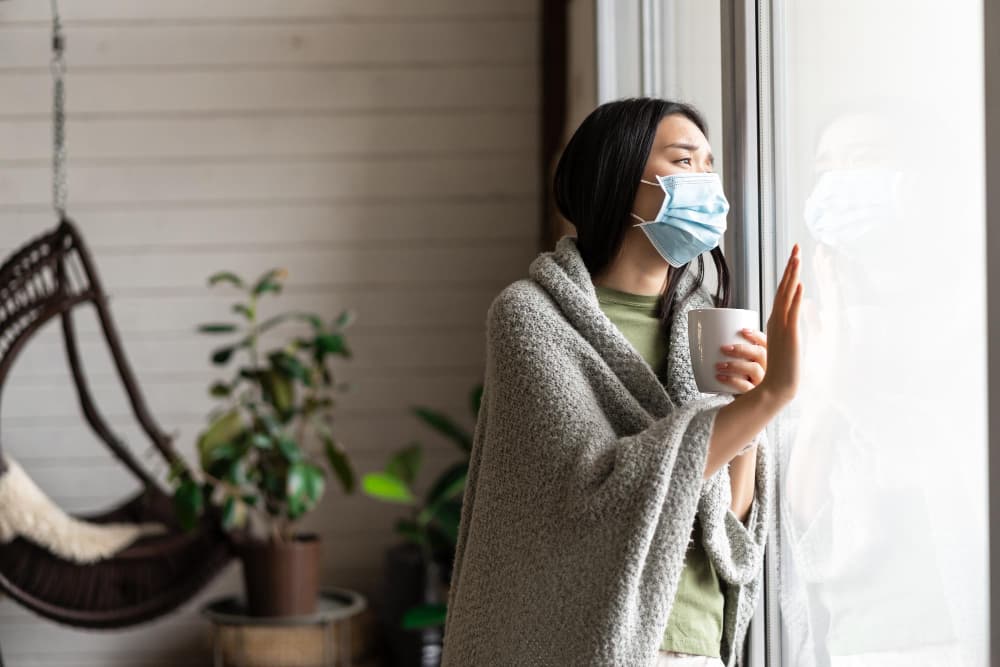
Every year, as temperatures drop and people crowd indoors, the same invisible threat resurfaces — respiratory viruses that can knock out an entire household within days. RSV hospitalizes up to 160,000 older adults annually in the United States alone, while seasonal influenza costs the economy billions in lost workdays and medical bills. And yet, most families are caught off guard year after year, scrambling for treatments after symptoms have already taken hold.
What if this winter could be different?
This guide from AffordPill equips you with everything you need to stay ahead of RSV, flu, and other cold-weather illnesses — from clinically backed prevention strategies to affordable medications and wellness tools that empower you to protect your family before illness strikes. Whether you are a parent of young children, a caregiver for aging parents, or simply someone who cannot afford to lose a week to sickness, this is your essential winter wellness playbook.
Understanding Winter's Most Dangerous Respiratory Threats
Before you can defend yourself against seasonal illness, it helps to understand exactly what you are dealing with. Three viruses dominate the winter respiratory season, each with its own profile, risk factors, and recommended treatments.
Respiratory Syncytial Virus (RSV): Not Just a Children's Disease
RSV has long been associated with infants and toddlers, and for good reason — it is the leading cause of bronchiolitis and pneumonia in children under one year of age. But RSV is increasingly recognized as a serious threat to adults over 60 and immunocompromised individuals of any age.
Symptoms of RSV typically begin like a common cold: runny nose, mild cough, and low-grade fever. However, RSV can progress rapidly to lower respiratory tract infection, causing severe breathing difficulty. In 2023, the FDA approved the first RSV vaccines for older adults, marking a turning point in how we approach prevention for this high-risk group.
Seasonal Influenza: Familiar but Still Formidable
Influenza affects between 9 and 45 million Americans each season, according to the CDC. Unlike RSV, flu onset is typically abrupt — sudden high fever, body aches, chills, and extreme fatigue that can sideline even the healthiest individuals for 5 to 7 days. Complications including pneumonia, myocarditis, and sepsis are responsible for thousands of deaths annually, particularly among the elderly, the very young, and those with chronic conditions.
The good news: influenza is one of the most preventable serious illnesses we face, thanks to annual vaccination and antiviral medications like oseltamivir (Tamiflu) that can shorten illness duration when taken early.
Common Cold and Other Coronaviruses
More than 200 different viruses can cause the common cold, with rhinoviruses accounting for about half of all cases. While colds are rarely dangerous in healthy adults, they are highly contagious and can layer on top of flu or RSV exposure, prolonging illness and lowering immune defenses. Staying on top of basic wellness — sleep, hydration, nutrition — is your first and most powerful line of defense.
Proven Prevention Strategies That Actually Work
Prevention is always more cost-effective than treatment — financially and physically. The following strategies are supported by clinical evidence and public health recommendations.
1. Get Vaccinated — Every Year, Without Exception
Annual flu vaccination is the single most impactful step you can take for winter respiratory health. The flu virus mutates rapidly, which is why vaccine formulations are updated every season to match circulating strains. The CDC recommends vaccination by the end of October for all individuals aged 6 months and older.
For adults 60 and above, the newly approved RSV vaccines (Arexvy by GSK and mRESVIA by Moderna) provide another critical layer of protection. Speak to your pharmacist or healthcare provider about whether you or an aging parent qualifies.
2. Master the Basics of Respiratory Hygiene
These evidence-based habits can dramatically reduce viral transmission:
- Wash hands thoroughly with soap and water for at least 20 seconds, especially after coughing, sneezing, or touching shared surfaces.
- Avoid touching your face — eyes, nose, and mouth are primary entry points for respiratory viruses.
- Cough or sneeze into your elbow, not your hands, to minimize contamination of surfaces.
- Wear a well-fitted mask in crowded indoor spaces during peak respiratory virus season.
3. Optimize Your Indoor Environment
Indoor air quality plays an underappreciated role in respiratory virus transmission. During winter months, when windows stay closed and air circulation drops, viral loads indoors can rise significantly. Consider these steps:
- Use a HEPA air purifier in sleeping areas and common spaces.
- Maintain indoor humidity between 40 and 60 percent — dry air increases virus survival and weakens nasal mucus defenses.
- Ventilate your home when weather permits, even briefly, to flush stale air.
4. Build Immune Resilience Through Lifestyle
Your immune system's ability to respond to infection depends heavily on foundational lifestyle factors:
- Sleep: Adults require 7 to 9 hours per night. Sleep deprivation dramatically suppresses immune function.
- Nutrition: Prioritize vitamin C-rich foods (citrus, bell peppers), zinc sources (pumpkin seeds, legumes), and vitamin D (fortified foods, or supplementation where sun exposure is limited).
- Exercise: Moderate exercise 3 to 5 times per week enhances immune surveillance. Avoid overtraining, which can have the opposite effect.
- Stress management: Chronic stress elevates cortisol, which suppresses immune response. Even 10 minutes of daily mindfulness can make a measurable difference.
Affordable Treatment Solutions When Illness Strikes
Even the most careful prevention plan sometimes fails. When symptoms appear, acting quickly with the right treatments can reduce severity and duration significantly. AffordPill is committed to making these treatments accessible and affordable for every household.
Antiviral Medications: Your Best Early-Intervention Tool
Oseltamivir (generic Tamiflu) is most effective when started within 48 hours of symptom onset. It works by inhibiting the neuraminidase enzyme that flu viruses use to replicate and spread. A standard 5-day course can shorten illness by 1 to 2 days and significantly reduce the risk of serious complications.
For RSV, treatment is largely supportive in adults, but your healthcare provider may recommend antiviral options in severe or high-risk cases. Staying in close communication with your pharmacist or physician at the first sign of RSV symptoms is critical for vulnerable populations.
Over-the-Counter Symptom Relief
While antivirals target the virus directly, OTC medications manage symptoms and improve quality of life during recovery:
- Acetaminophen or ibuprofen for fever reduction and body ache relief.
- Decongestants (pseudoephedrine) for nasal congestion — particularly useful for sinus pressure.
- Expectorants (guaifenesin) to thin mucus and ease productive coughs.
- Throat lozenges with zinc may modestly shorten cold duration when taken at the first sign of symptoms.
Always consult with a pharmacist before combining OTC medications, especially if you take prescription drugs or have underlying health conditions. AffordPill's licensed pharmacist team is available to help you navigate the right choices.
Home Monitoring: Catching Complications Early
Pulse oximeters, digital thermometers, and blood pressure monitors allow you to track key health metrics at home. A blood oxygen saturation level below 94 percent warrants immediate medical attention — this is a key warning sign in RSV and flu complications that is easy to miss without monitoring. AffordPill carries a curated range of affordable home health devices so families can stay vigilant without breaking the bank.
Winter Wellness for High-Risk Groups
Seasonal respiratory illness does not affect everyone equally. Understanding specific vulnerabilities helps families take targeted protective action.
Infants and Young Children
Children under 2 are at highest risk for severe RSV. Palivizumab (Synagis) injections are available for qualifying premature infants and those with certain heart or lung conditions. Keep sick household members away from newborns, and ensure all eligible caregivers are vaccinated against flu.
Adults Over 60
Older adults benefit from high-dose or adjuvanted flu vaccines, which produce a stronger immune response than standard formulations. The newly approved RSV vaccines are specifically indicated for this age group. Ensure regular check-ins with a healthcare provider throughout winter months.
Immunocompromised Individuals
Whether due to medical treatment, chronic illness, or medications, immunocompromised individuals face elevated risk from all respiratory pathogens. Work with your healthcare team on a personalized winter wellness plan — including vaccination timing, prophylactic strategies, and early treatment protocols.
Pregnant Women
Influenza during pregnancy is associated with increased risk of preterm birth and other complications. The flu vaccine is safe and strongly recommended during any trimester. In 2023, an RSV vaccine was also approved for pregnant women in the third trimester to protect newborns through maternal antibody transfer.
How AffordPill Makes Winter Wellness Accessible
At AffordPill, we believe that protecting your family from seasonal illness should not require choosing between your health and your budget. We offer:
- Generic antiviral medications at significantly lower prices than brand-name equivalents.
- A wide selection of vitamins, supplements, and immunity-supporting products.
- Affordable home health monitoring devices including pulse oximeters and digital thermometers.
- Free pharmacist consultations to help you choose the right prevention and treatment strategy.
- Fast, discreet delivery so your household essentials arrive when you need them most.
Our pharmacists are not just order-fillers — they are health partners who understand the real cost of seasonal illness on families and communities. Browse our Winter Wellness collection today and build your household health kit before flu season peaks.
Frequently Asked Questions
Q: How is RSV different from the flu, and should I be worried about both? A: RSV and influenza are caused by different viruses and present slightly differently. Flu typically comes on abruptly with high fever and severe body aches, while RSV often starts like a cold before potentially progressing to the lower respiratory tract. Both can be serious for high-risk groups, and it is entirely possible to contract both in the same season — which is why a layered prevention approach covering both viruses is recommended.
Q: Is it too late to get a flu vaccine once the season has started? A: No — getting vaccinated later in the season still offers meaningful protection. The flu virus circulates from October through as late as May in some years. The CDC recommends vaccination by the end of October, but vaccination in November, December, or even January can still significantly reduce your risk of serious illness.
Q: What vitamins and supplements actually help prevent winter illness? A: The most evidence-backed supplements for immune support include vitamin D (particularly important for those with limited sun exposure during winter), zinc (which supports immune cell function and may shorten cold duration), and vitamin C (a well-studied antioxidant that supports immune response). Elderberry extract has shown modest benefit in some studies for reducing cold and flu duration, though the evidence is less robust. Always consult with a pharmacist before starting a new supplement regimen.
Q: Can I take antiviral medication like Tamiflu as a preventative measure? A: Oseltamivir can be prescribed prophylactically for high-risk individuals who have been exposed to confirmed flu cases — for example, a caregiver for an elderly parent whose household member was diagnosed with flu. However, it is not generally recommended as routine prophylaxis for the general population due to cost, potential side effects, and concerns about antiviral resistance. Speak with your healthcare provider if you believe you qualify.
Q: How do I know if my child's RSV is serious enough to need medical attention? A: Seek immediate medical care if your child is breathing rapidly or with visible effort, has a bluish tint around the lips or fingernails, shows signs of dehydration (very few wet diapers, sunken fontanelle in infants, no tears when crying), is unusually lethargic, or has a blood oxygen reading below 94 percent on a pulse oximeter. When in doubt, call your pediatrician or go to an urgent care center — early intervention makes a significant difference in RSV outcomes.
Q: Are affordable generic versions of flu medications as effective as brand names? A: Yes. Generic oseltamivir contains the same active ingredient at the same dose as brand-name Tamiflu and is held to the same FDA efficacy and safety standards. The only differences are typically in inactive ingredients like fillers or dyes. Generic medications are one of the most reliable ways to access clinically proven treatments at a fraction of the cost — and AffordPill specializes in providing exactly this kind of affordable, trustworthy healthcare access.